
How to Declutter Your Home Room by Room: A Beginner’s Guide
Does walking through your front door feel more stressful than relaxing? If every drawer is jammed, every counter is covered, and you cannot find your keys without a 10-minute search, it is time to learn how to declutter your home — once and for all.
The truth is, clutter does not pile up overnight and it will not disappear overnight either. But with a simple room-by-room approach, even a complete beginner can transform a chaotic home into a calm, organized space without feeling overwhelmed.
This beginner-friendly guide walks you through exactly how to declutter room by room, starting with the easiest wins and building momentum as you go. Whether you live in a small apartment or a large family home, these practical steps will help you reclaim your space, your time, and your peace of mind.
Why Decluttering Your Home Matters More Than You Think
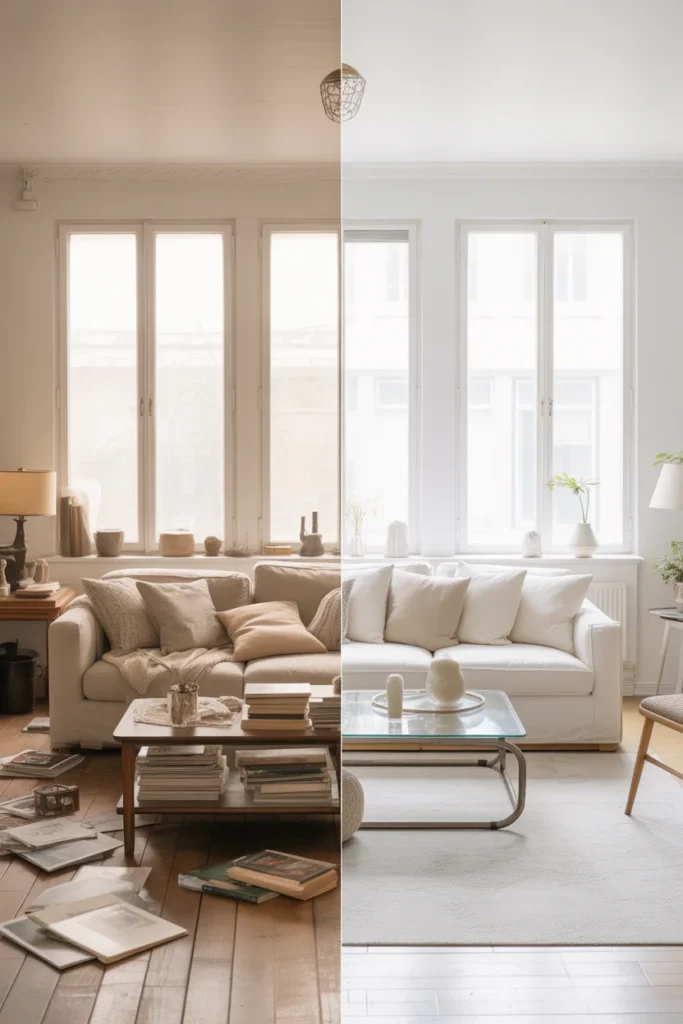
Clutter is not just a visual problem. Research consistently shows that disorganized spaces increase cortisol levels, reduce focus, and make everyday tasks take longer than they should. A cluttered kitchen means longer meal prep. A messy bedroom means poorer sleep quality. A chaotic entryway sets a stressful tone the moment you walk inside.
When you declutter your home, you are not just tidying up — you are creating an environment that actively supports your daily life. Fewer belongings mean less cleaning, less searching, and less mental noise. For beginners, that shift can feel life-changing.
The key is having a plan. Random bursts of organizing rarely stick. A structured, room-by-room decluttering approach gives you clear targets, visible progress, and the motivation to keep going.
The 4-Box Decluttering Method Every Beginner Needs
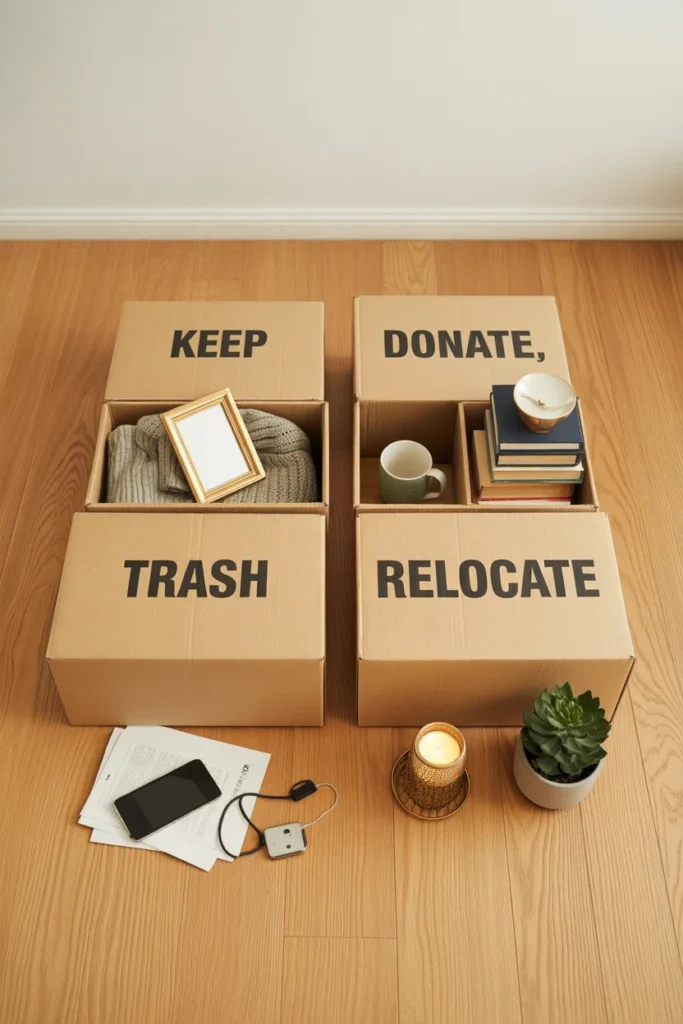
Before you touch a single drawer, grab four boxes or bags and label them:
Keep — Items you use regularly or genuinely love. Donate or Sell — Things in good condition that no longer serve you. Trash — Anything broken, expired, or worn beyond use. Relocate — Items that belong in a different room.
As you work through each space, every single item goes into one of these four categories. This removes the guesswork and speeds up decision-making dramatically. If you have not used something in the past 12 months and it holds no real sentimental value, it is time to let it go.
Professional organizers recommend asking yourself one powerful question for every item: “Why am I keeping this?” Not whether you need it — because honestly, you can justify keeping almost anything. The “why” forces you to confront the real reason behind the clutter.
For more clever sorting hacks, check out our storage hacks that will help you organize what you decide to keep.
How to Declutter Your Home Room by Room
The secret to successful decluttering for beginners is starting with the rooms that give you the fastest, most visible results. Quick wins build confidence, and confidence fuels momentum.
Here is the ideal order for tackling your home:
1. Start at the Entryway
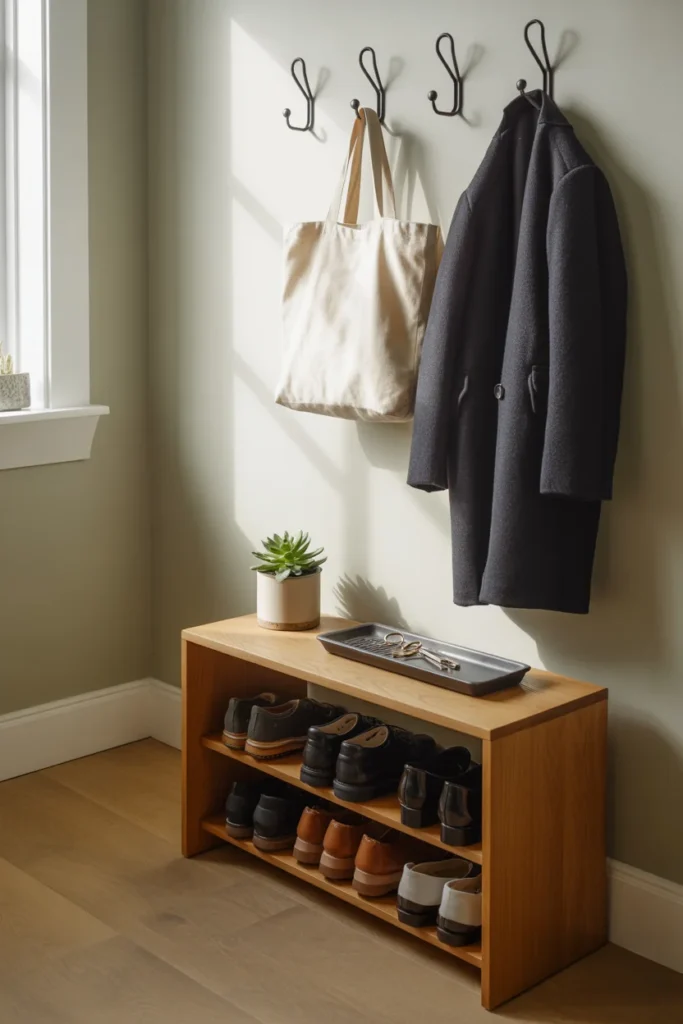
Your entryway is the first and last thing you see every day. It tends to become a dumping ground for shoes, bags, mail, and random items that never make it to their proper homes.
Decluttering here takes 20 to 30 minutes and the payoff is instant. Remove everything that does not belong by the front door. Keep only daily essentials — keys, one pair of shoes per person, and a coat hook. Add a small tray or basket for items that tend to accumulate, and suddenly walking through your front door feels completely different
2. Tackle the Bathrooms
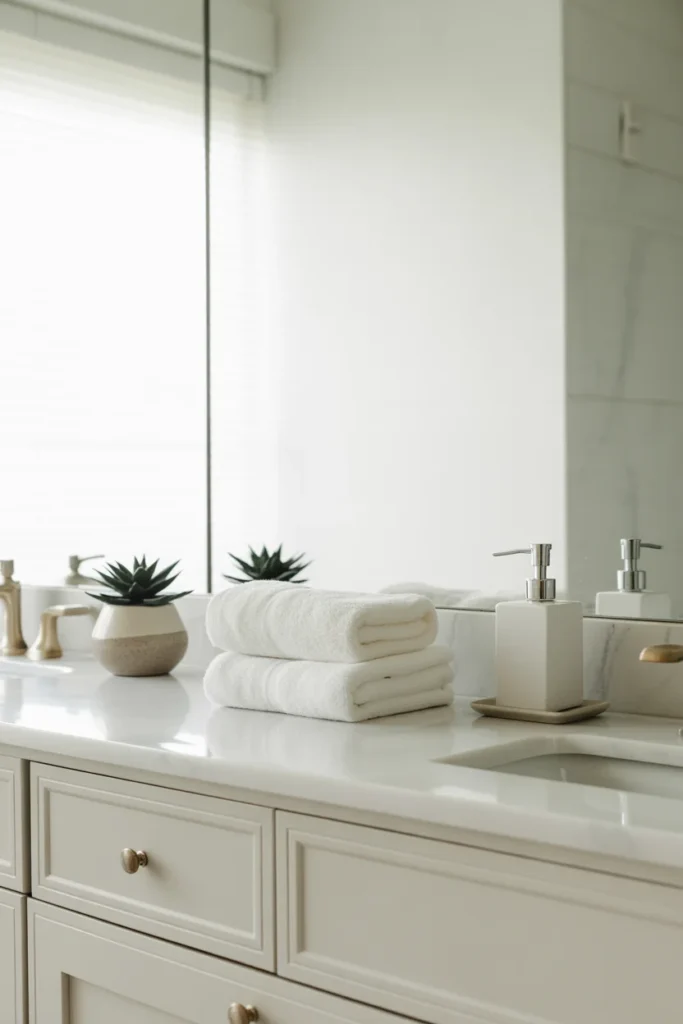
Bathrooms are small spaces packed with expired products, half-used bottles, and duplicates you forgot you owned. That makes them perfect for quick decluttering wins.
Start by throwing out every expired medication, dried-up product, and mystery bottle. Combine duplicates where possible. A solid rule of thumb is to keep one to two towels per person and only the products you actually use on a weekly basis. Everything else goes.
Once you have pared down, simple organizers like under-sink bins or shower caddies make it easy to keep the space tidy long-term. For more room-specific tips, explore our guide on organizing your bathroom and laundry spaces.
3. Conquer the Kitchen
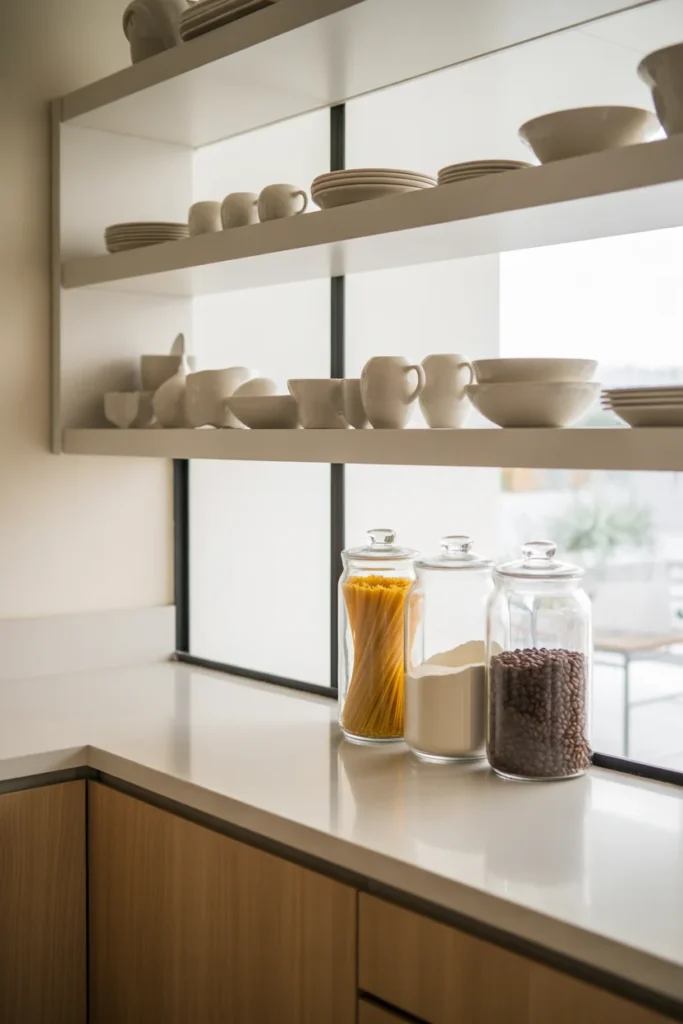
The kitchen is the heart of most homes — and usually the biggest clutter magnet. Drawers full of gadgets you used once, cabinets packed with mismatched containers, and a pantry hiding expired cans from three years ago.
Break this room into micro-zones to avoid feeling overwhelmed. Start with one drawer or one cabinet at a time. Pull everything out, wipe the surface, and only put back what you use at least once a month.
Common kitchen items to let go of include duplicate utensils, chipped mugs, takeout menus, expired spices, and food storage containers that have lost their lids. Once your kitchen is simplified, meal prep becomes faster, cooking becomes more enjoyable, and cleaning up takes half the time.
If your pantry is a particular trouble spot, our pantry organization ideas cover 15 practical hacks to make that space work beautifully.
4. Reset the Bedroom
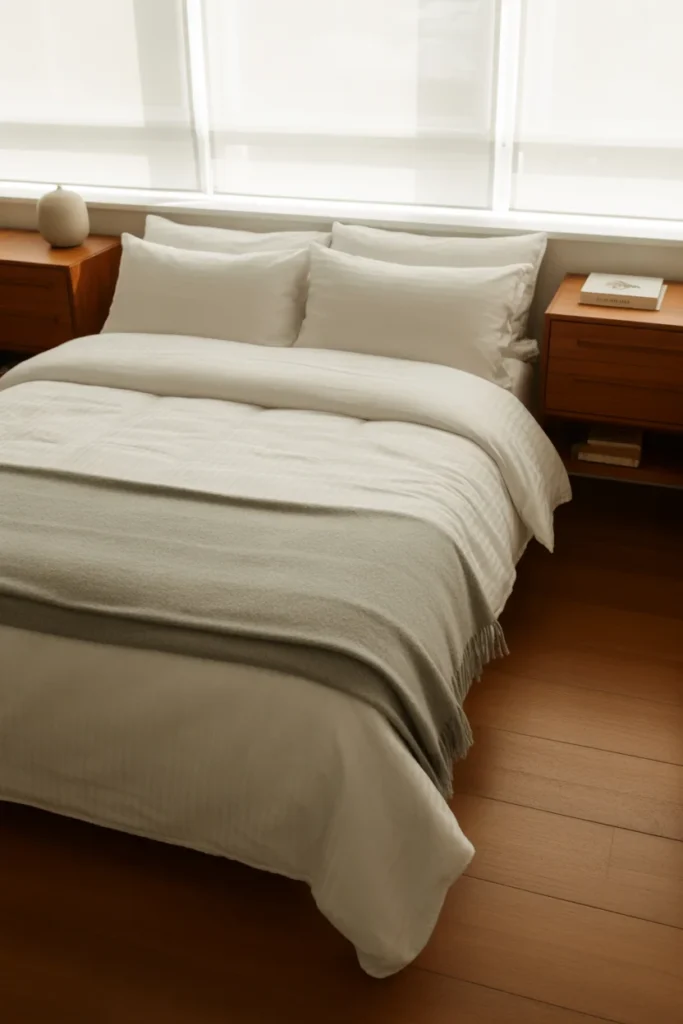
Your bedroom should be a restful retreat, but it often becomes a dumping ground for laundry, random belongings, and items with no other home. Surveys consistently rank the bedroom as the most cluttered room in the average household.
Start with the nightstands. Clear the surfaces and keep only a lamp, a book, and maybe a glass of water. Move to your dresser and remove anything that is not related to sleeping or dressing. Relocate exercise equipment, work materials, and miscellaneous items to their proper rooms.
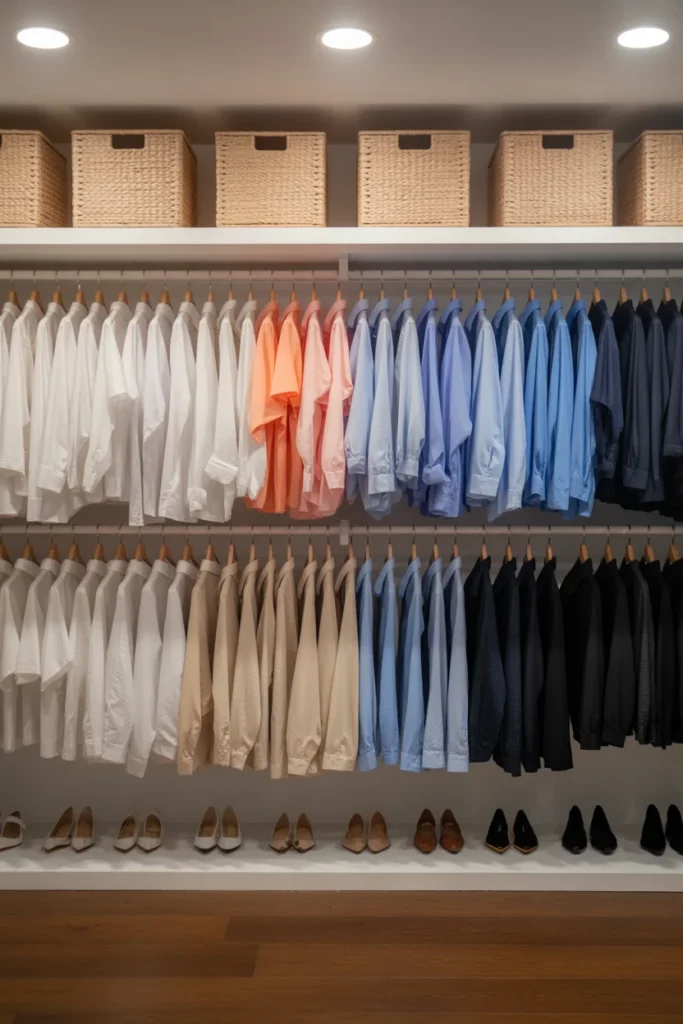
The bedroom closet deserves its own focus session. The classic approach is to flip all your hangers backward. After a few months, anything still facing the wrong way is something you do not actually wear. Donate it with confidence.
5. Simplify the Living Room
The living room is where your family gathers, guests sit, and everyday life happens. Clutter here tends to be a mix of old magazines, remote controls, kids’ toys, and decorative items that have overstayed their welcome.
Remove any broken electronics, tangled cables for devices you no longer own, DVDs or CDs you have not touched in years, and excess throw pillows or blankets. Keep surfaces clear with no more than two to three decorative items per surface.
If you have children, a single toy basket or bin in the living room creates an easy boundary. Everything that fits, stays. Everything that does not, rotates back to the kids’ room or gets donated.
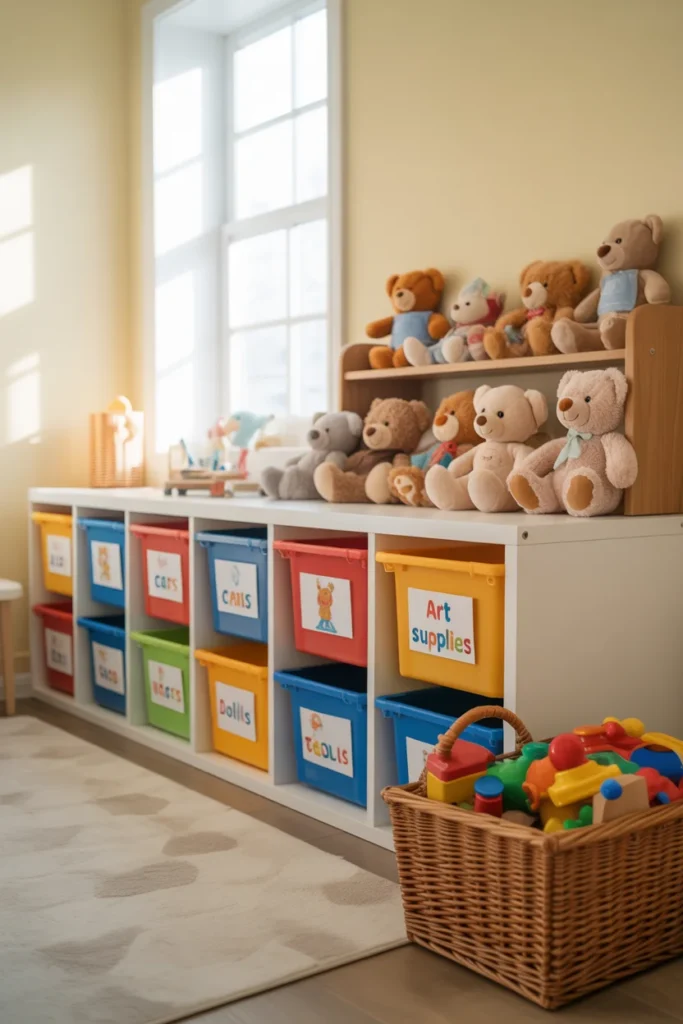
6. Wrangle the Kids’ Rooms and Toy Clutter
If you have kids, their rooms and toy collections can feel like an endless battle. The trick is not to organize the chaos — it is to reduce the volume first.
Sort toys into categories: actively played with, sentimental favorites, and everything else. Rotate toys by keeping some stored away and swapping them out monthly. This keeps things fresh for kids while dramatically reducing the mess.
Involve your children in age-appropriate decisions. Even young kids can choose between two toys to keep or donate. Teaching decluttering early builds habits that last a lifetime.
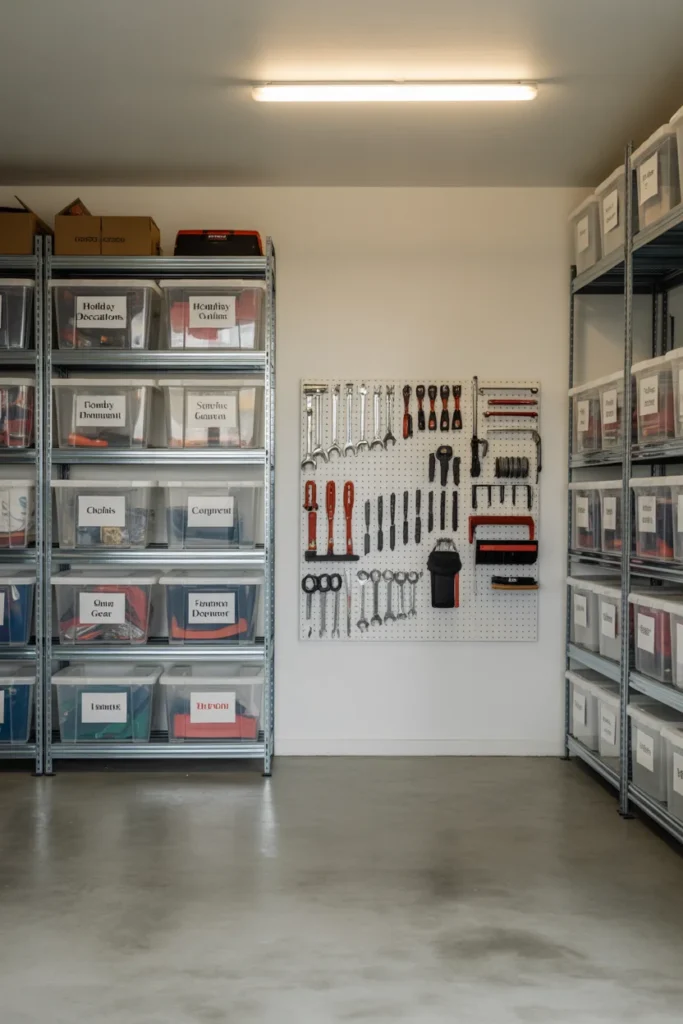
7. Finish with Storage Spaces and the Garage
Save the hardest rooms for last — the garage, attic, basement, and storage closets. By now, you have built momentum and sharpened your decision-making skills on easier spaces.
These areas tend to hold sentimental items and “just in case” belongings. Be honest with yourself. If a box has sat unopened for two or more years, its contents are probably not essential to your life. Keep meaningful keepsakes in one designated bin, photograph sentimental items you do not need to physically hold onto, and let the rest go.
How to Stay Clutter-Free After Decluttering
Decluttering your home is only half the equation. Maintaining it is where most beginners struggle. The good news is that a few small habits can keep your home organized permanently.
The one-in-one-out rule works wonders. For every new item that enters your home, one similar item must leave. This simple boundary prevents clutter from creeping back in.
Monthly mini check-ins help you catch problems early. Set a calendar reminder to spend 15 to 20 minutes walking through each room and resetting anything that has drifted out of place.
Assign a home for everything. Clutter happens when items do not have a designated spot. If something does not have a home, it either needs one or it needs to go.
According to The Spruce, maintaining a clutter-free environment works best when you build small daily habits rather than relying on periodic deep cleans.
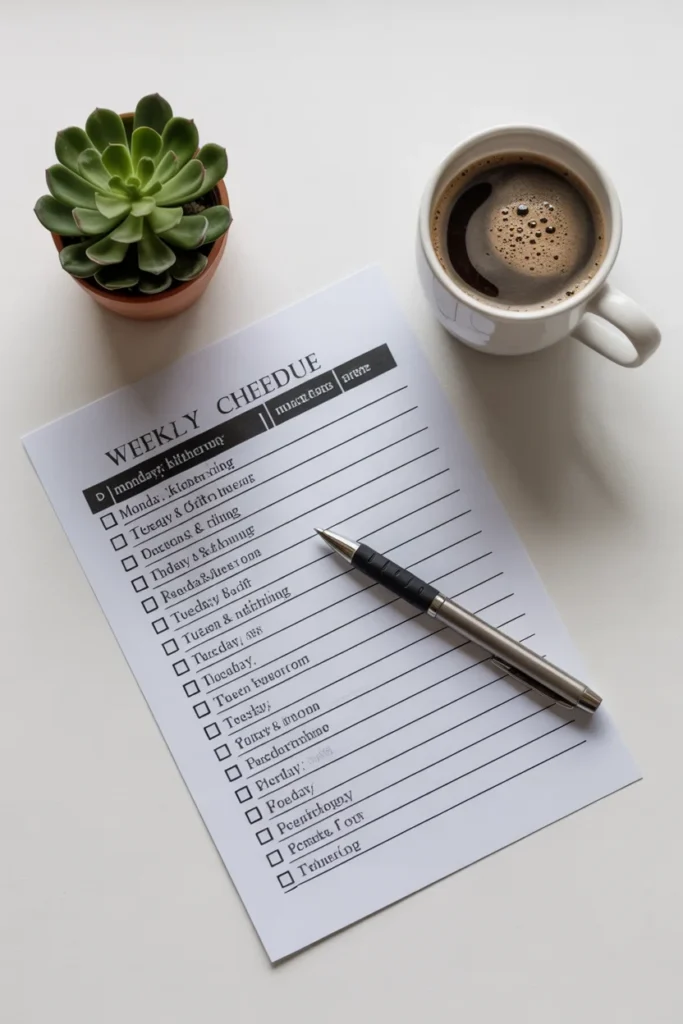
Quick-Reference Decluttering Timeline for Beginners
Not everyone has the same amount of time. Here is how to adjust the room-by-room approach to fit your schedule:
If you have one month — Dedicate 15 to 20 minutes daily to one small zone such as a single drawer, shelf, or cabinet. Tackle bigger areas on weekends.
If you have two months — Declutter one full room per week at a relaxed pace.
If you have three months — Focus on one area every one to two weeks, allowing time for deeper organizing after each declutter session.
The timeline does not matter nearly as much as consistency. Small steps, taken regularly, always beat one overwhelming weekend marathon.
Final Thoughts
Learning how to declutter your home does not require fancy organizing products, a huge time commitment, or a complete personality overhaul. It requires a plan, a starting point, and the willingness to let go of things that no longer serve your life.
By working through your home room by room, you turn an intimidating project into a series of manageable tasks. Each cleared space gives you energy for the next one. Before you know it, your entire home feels lighter, calmer, and genuinely easier to live in.
As Becoming Minimalist puts it, the goal is not an empty home — it is a home filled only with things that add value to your daily life.
Start today. Pick one room, grab your four boxes, and begin.
📌 Found this guide helpful? Save it to your Pinterest board and share it with someone who needs a fresh start!
For more practical home organization ideas, cleaning routines, and space-saving hacks, explore HomeOrganizeHacks.com — your go-to resource for transforming every room, one simple hack at a time.