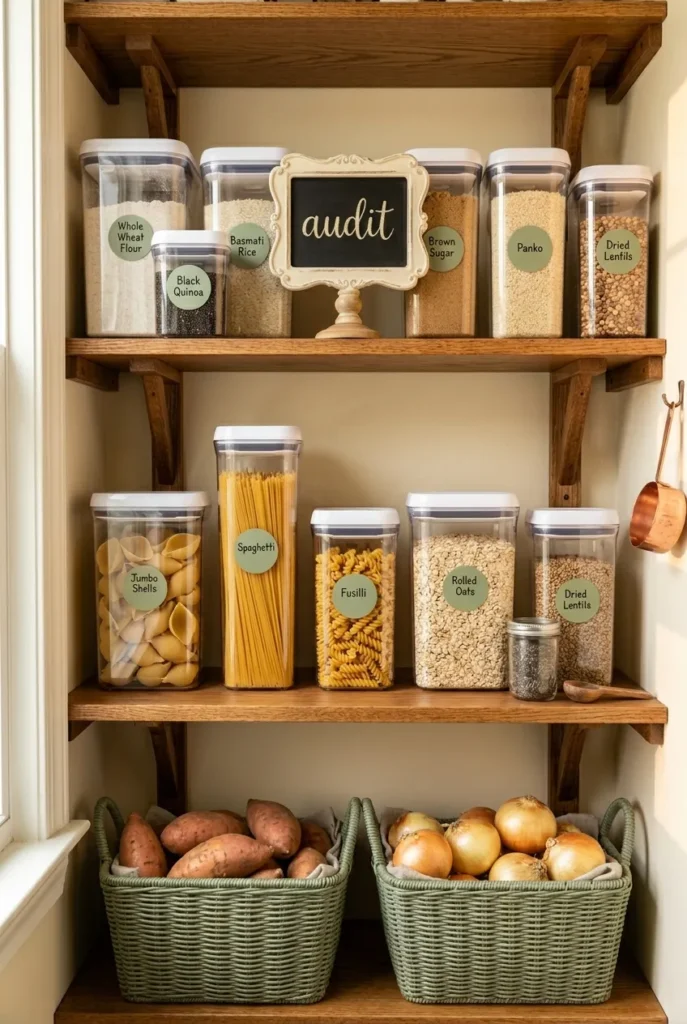

8 Expired Pantry Items Past Their Prime (A Quick Pantry Audit You Can Finish Tonight)
You opened the pantry this morning, reached past the rice, and a jar of something hit the back of your hand. The lid felt sticky. The label was faded. You couldn’t remember buying it. Sound familiar? Most of us have at least eight expired pantry items hiding in plain sight right now, and they’re stealing shelf space, fooling our weeknight cooking, and (in a few cases) quietly going rancid behind a box of Cheerios.
Here’s the good news. You don’t need a full Saturday. You need thirty minutes, a flat trash bag, and a system. I’ve run this exact audit in my own narrow galley pantry three times in the past year, and every single time I found at least one bottle of oil that smelled like crayons.
We’re going to walk through the eight worst offenders, how to spot them in under a minute each, and what to do with them after. By the end, your shelves will breathe, your dinners will taste sharper, and you’ll know exactly when to refill.
Why a Quick Pantry Audit Beats a Full Pantry Makeover
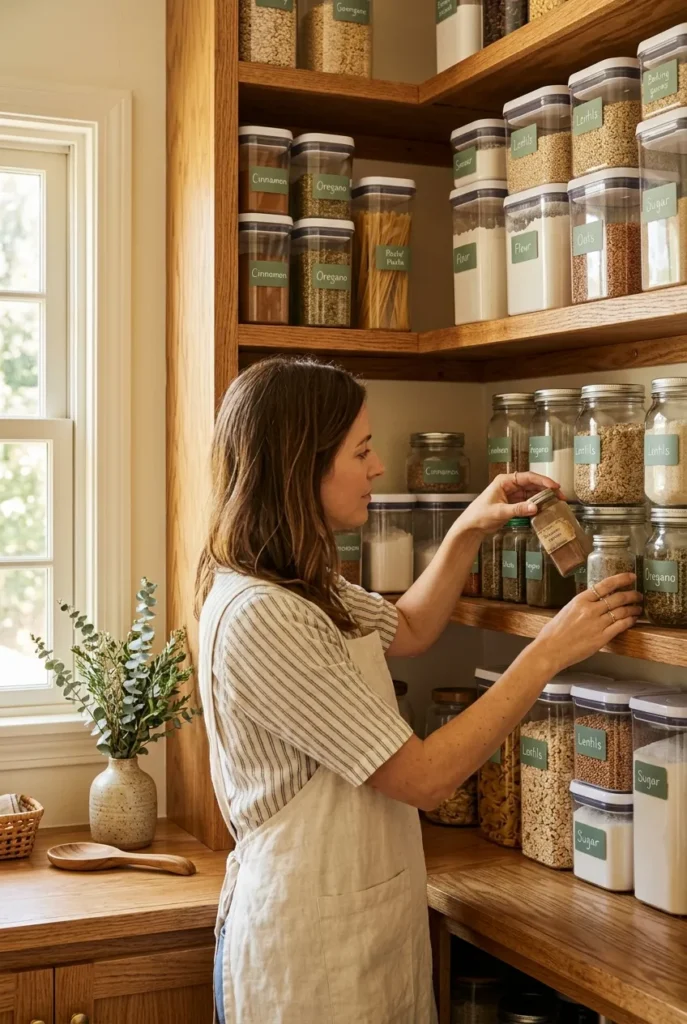
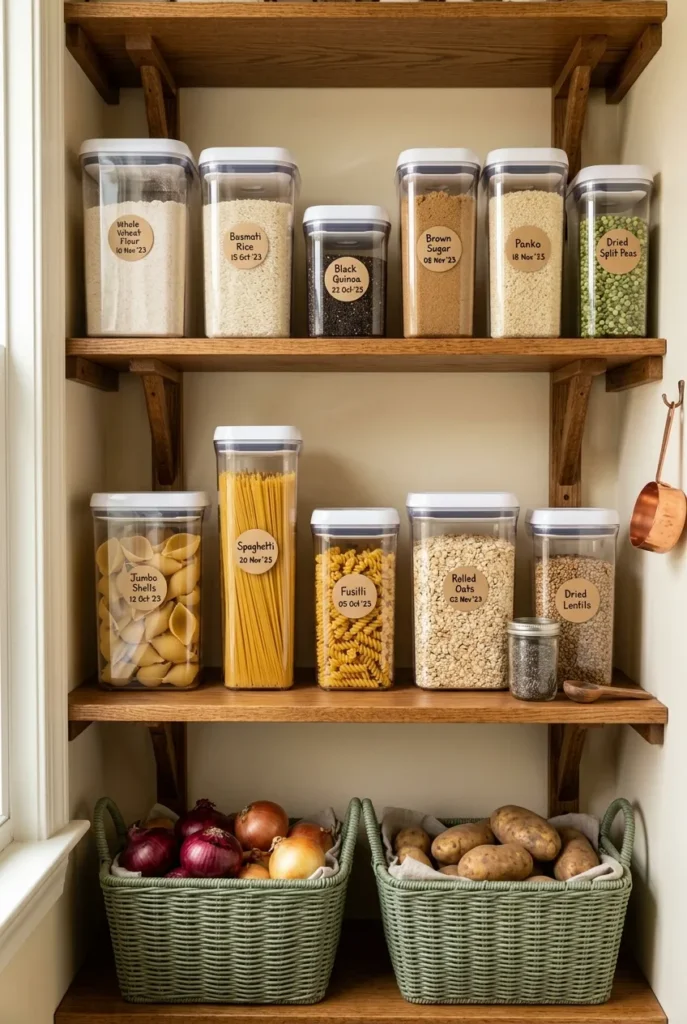
We get sold the dream of the Pinterest-perfect pantry with matching labels and identical OXO POP containers, and honestly, that’s a great Saturday project. But a pantry audit is something different. It’s the thirty-minute sweep that catches the rancid walnuts before they ruin your banana bread. It’s the reason your baking powder actually makes the muffins rise.
Here’s the catch most articles miss: expiration dates printed on packaging are usually “best by,” not “toxic after.” That distinction matters. A can of black beans two months past best-by is almost always still fine. A bottle of walnut oil six months past best-by is almost certainly rancid and will make whatever you cook taste bitter. The shelf-life of pantry items depends on three things, the oil content, the moisture content, and how often you open the container.
If you want the full pantry organization overhaul afterward, our INTERNAL LINK: small kitchen organization ideas guide walks through the bin-and-zone setup once the expired stuff is gone. But first, the audit.
The 4-Sense Pantry Audit (Your New Pantry Expiration Dates Rule)
Before we get into the eight worst items, here’s the original framework I use every quarter. Call it the 4-Sense Pantry Audit. You apply four checks to every suspect jar, can, or bag in under sixty seconds:
- Look. Clumps in powders, color shifts in oils, rust on cans, bugs (yes, in flour, sorry).
- Smell. A sharp, crayon-like, paint-thinner smell means rancid. A musty smell means moisture got in.
- Snap or shake. Spices should still smell like themselves when you crush a pinch between your fingers. Baking powder should fizz when dropped in hot water.
- Taste (only if 1 to 3 pass). A tiny pinch tells you if the flavor is still there.
If a pantry item fails any of the first three senses, it goes in the toss pile. No second chances. No “but I just bought it.” Your dinner deserves better.
1. Ground Spices and Dried Herbs Past 12 Months
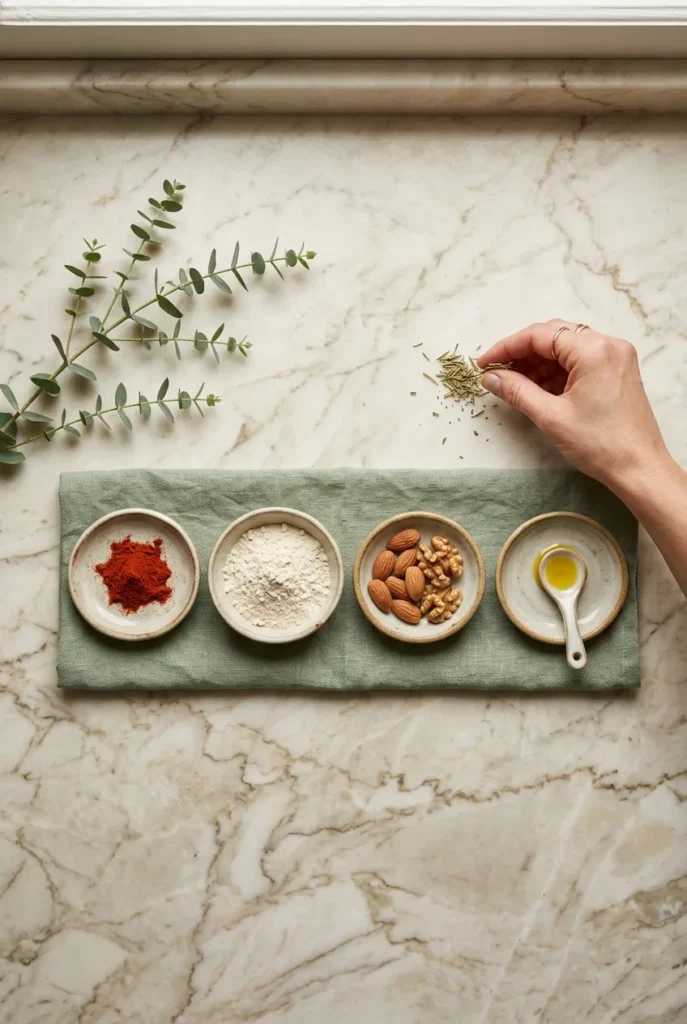
This is the number one offender in every pantry I’ve ever audited, including my mom’s. Ground spices lose their punch in about six to twelve months. Whole spices (peppercorns, cinnamon sticks, whole cloves) stretch to two or three years. After that, you’re basically seasoning dinner with sawdust.
The snap test works perfectly here. Crush a pinch of paprika between your fingers. If you don’t smell it sharply, it’s done. Toss it. Refill from the bulk bins at your grocery store for half the cost of a new McCormick jar.
A small tip from too many Sunday dinners: write the purchase month on the bottom of the jar in pencil. You’ll know in three seconds next time.
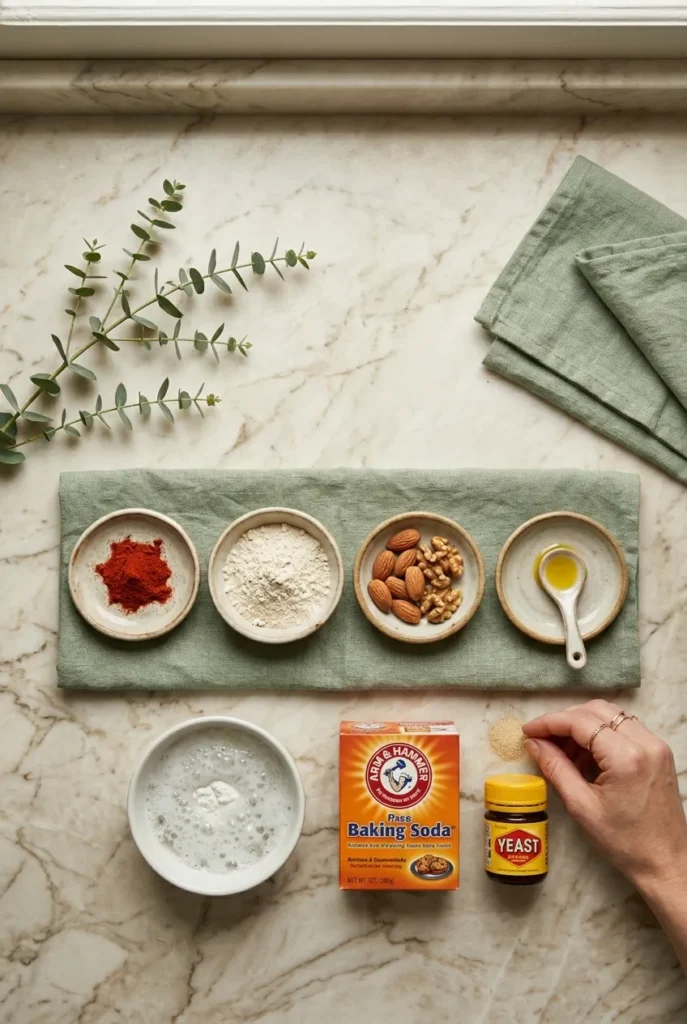
2. Baking Powder, Baking Soda, and Yeast
These three are the silent killers of weekend baking. Baking powder lasts about six months after opening. Baking soda lasts about six months for leavening (it stays fine for cleaning longer). Active dry yeast in an opened packet is good for about four months in the fridge, less in a warm pantry.
The test is fast. Drop a half teaspoon of baking powder into a small bowl of hot water. If it fizzes hard, you’re good. If it sits there like sand, throw it out. Same idea with baking soda but use vinegar instead of water. Yeast gets a pinch of sugar and warm water; foam in ten minutes means it’s alive.
I learned this one the hard way after a batch of flat birthday muffins. Don’t be me.
3. Cooking Oils (Olive, Walnut, and Anything Nut-Based)
Oils don’t expire so much as they go rancid, and rancid oil is the single most damaging pantry villain. It tastes bitter. It smells like wax crayons or old paint. And it actively makes whatever you cook taste worse without you realizing why.
Extra-virgin olive oil holds best quality for about 18 to 24 months unopened, six to nine months after you crack the seal. Nut oils (walnut, almond, hazelnut) are far more fragile; figure three to six months after opening, and store them in the fridge if you can. Vegetable and canola oils last about a year after opening if kept cool and dark.
The smell test is your friend. Open the bottle, sniff. If anything sharp, waxy, or “off” hits your nose, dump it. The bottle is not worth the meal.
4. Whole Wheat Flour, Almond Flour, and Other Nut-Based Flours
White all-purpose flour is the marathon runner of the pantry; it lasts about a year in a sealed container. Whole wheat flour and any nut flours, though, contain oils that go rancid in three to six months at room temperature. Almond flour in particular gets that crayon smell fast.
Store these in the freezer if you bake less than once a week. A 2-pound bag of Bob’s Red Mill almond flour fits in a 1-gallon freezer bag with zero fuss. If you’re not freezing it, write the open date on the bag in Sharpie and audit it at month five.
5. Brown Sugar That’s Turned Into a Brick
Brown sugar doesn’t really expire. It just dries out and becomes the world’s most expensive doorstop. Technically you can rescue a hardened brick by sealing it overnight with a slice of bread, but if it’s been a brick for more than a month, the molasses flavor has usually flattened too. Toss it and start fresh.
A 16-ounce bag of Domino light brown sugar is around $3 and lasts six months sealed in a 1.6-quart OXO POP container. Decanting is the simplest fix for brown sugar specifically. It stays soft for ages.
6. Opened Cereal, Crackers, and Snack Boxes
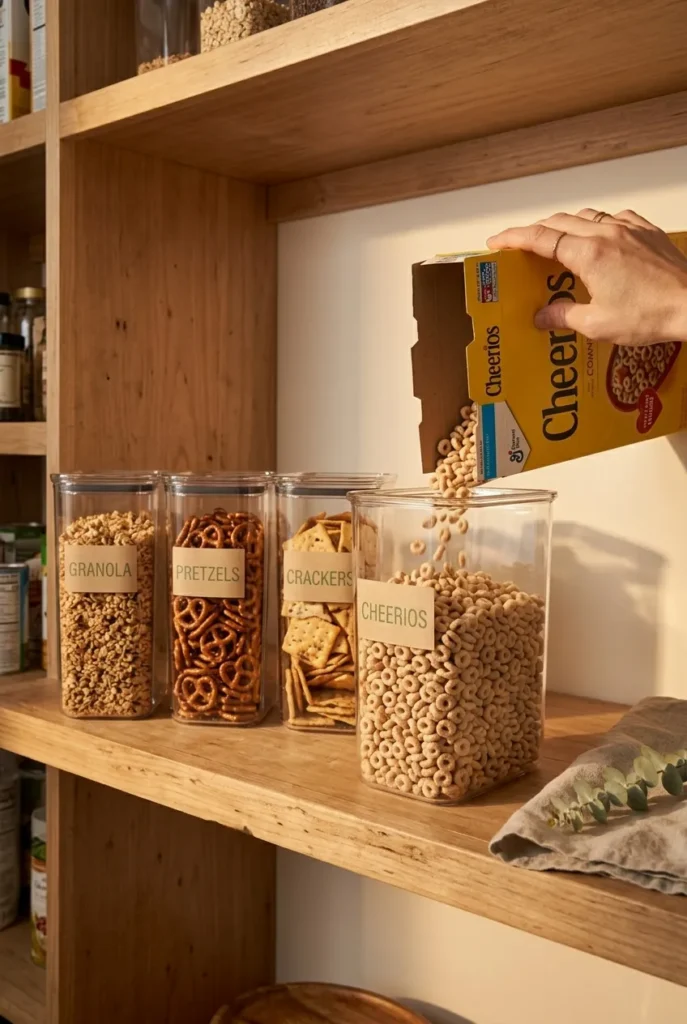
Sealed cereal lasts about a year. Open the inner bag and you have six to eight weeks before staleness sets in, less in humid kitchens. Graham crackers, saltines, and pretzels go from snap to soft within a month after opening if they’re left in the original sleeve.
The fix is decanting. Move opened cereal into a Cambro or large OXO POP container the same day you open the box. Snap-lid clear bins from Target Brightroom work too, around $8 each. Once you do this once across the snack shelf, you stop throwing away half-eaten boxes forever.
7. Old Condiments, Sauces, and That One Bottle of Worcestershire
Condiments hide longer than anything else because they live in jars with screw lids and we don’t think about them. Ketchup lasts about a year refrigerated after opening. Mustard about a year. Soy sauce about two years. Worcestershire, hot sauce, and vinegars are extreme overachievers and run three years or more.
But here’s where you actually need to look. Check the rim of the jar. If there’s crust, mold, or dried residue, toss the whole thing. Check the cap underneath. Sniff. If a condiment has separated and won’t re-mix after a hard shake, it’s done.
Bonus category from the Good Housekeeping pro angle: food gifts and souvenirs. The jam from that road trip in 2023, the truffle salt your sister-in-law brought back from Italy, the artisanal mustard you keep “saving for guests.” If you haven’t opened it in 18 months, you never will. Donate sealed ones to a local food drive (check the date), toss opened ones.
For more on the toss-vs-donate decision, our INTERNAL LINK: bathroom decluttering tips post explains the same sort/donate/trash logic for a different room (and the framework copies cleanly into the pantry).
8. Canned Goods With Rust, Dents, or Bulging Lids
Canned goods are the longest-lasting items in the pantry, easily two to five years past the printed best-by if the can is intact. According to the EXTERNAL LINK: USDA Food Safety and Inspection Service guidance on shelf-stable foods, high-acid canned items (tomatoes, fruit) keep about 18 months for best quality, low-acid items (beans, vegetables, meats) up to five years.
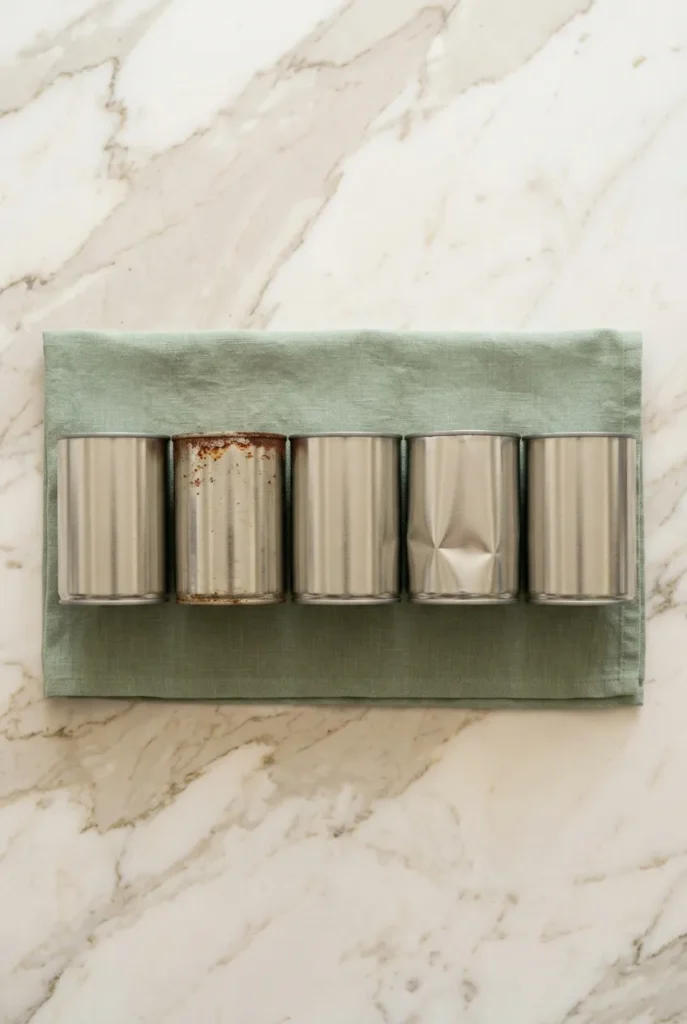
But three things mean immediate trash, no questions asked: rust spots that pit into the metal, dents along the side seam, and any swelling or bulging of the lid. Bulging cans can carry botulism risk and are not worth a single calorie of doubt. Per the EXTERNAL LINK: CDC’s botulism prevention guidance, throw out any can showing those signs without tasting it.
The 30-Minute Pantry Sweep (Your Audit Schedule)
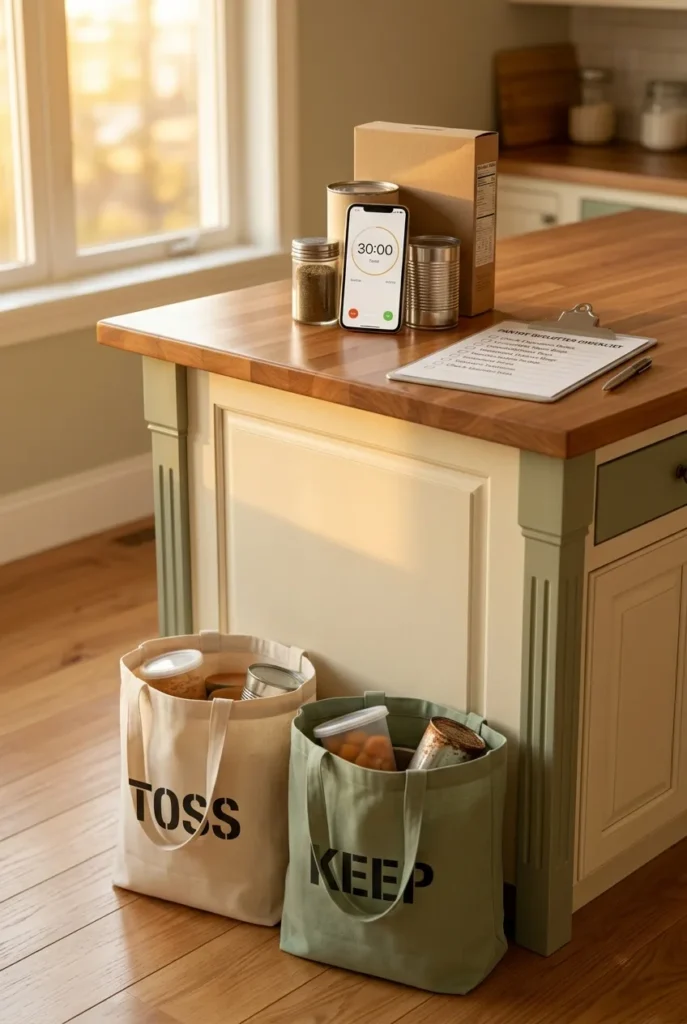
Here’s the second half of the original framework, the actual timing. Don’t book a full afternoon. Book exactly thirty minutes with a timer. Anything more and the audit collapses into a full reorganization, which is a different project.
- Minutes 0 to 5: Pull everything from the top shelf. Wipe the shelf with a damp microfiber.
- Minutes 5 to 15: Apply the 4-Sense check to each item. Toss pile on the left, keep pile on the right.
- Minutes 15 to 25: Repeat for the middle shelf and the floor of the pantry.
- Minutes 25 to 30: Wipe down the spilled containers, group the keep items back by zone (breakfast, baking, snacks, dinner), and write a short shopping list of what needs replacing.
Three sessions a year (spring, after summer, post-holidays) keeps the whole pantry from ever getting out of hand. Set the timer on your phone. The timer is the rule that keeps the audit from sprawling.
What to Actually Do With Tossed Expired Pantry Items
This is the angle no top-ranking article seems to cover, so here it is.
- Composting: Most plant-based dry goods (flour, rice, oats, stale crackers, herbs, spices, coffee grounds) compost beautifully in a home bin or municipal green-waste cart. Skip oils, dairy, and meat-based items.
- Trash: Rancid oils, anything from a swollen can, moldy condiments, anything you’re unsure about. Double-bag liquids so they don’t leak in the bin.
- Recycling: Empty out the contents first, then rinse the glass jar or aluminum can and put it in curbside recycling. Most U.S. curbside programs take both.
- Do not donate: Anything opened. Anything past printed best-by. Anything you wouldn’t serve a friend. Food banks have strict intake rules and tossing expired items at them creates a sorting cost.
If you’re decluttering a whole pantry at once, our INTERNAL LINK: fridge organization ideas guide pairs perfectly with the pantry audit; do them on the same Saturday and your kitchen feels brand new.
Setting Up the Pantry So You Stop Finding Expired Items
Once the audit is done, the goal is simple: never let an item rot in the back row again. Three habits do all the heavy lifting.
- FIFO rotation. First in, first out. New cans go to the back, older cans to the front. Takes ten seconds when you unload groceries.
- Decant the opened stuff. Clear OXO POP containers (1.6-quart for cereal, 2-quart for flour, 0.4-quart for spices) cost more upfront but pay for themselves the first time you don’t throw out a half-bag of crackers.
- Label with the open date, not the buy date. Painter’s tape and a Sharpie work great. The open date is what actually matters.
A Realistic Shelf-Life Cheat Sheet (Save This)
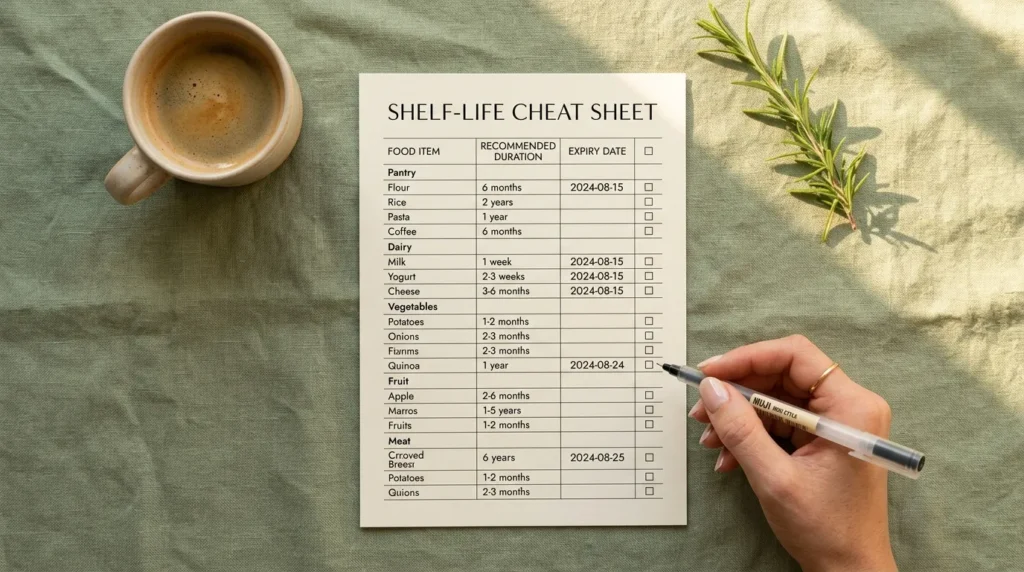
Print this, tape it inside your pantry door, audit twice a year. These are conservative best-quality windows, not safety cutoffs.
- Ground spices: 6 to 12 months opened
- Whole spices: 2 to 3 years
- Baking powder: 6 months opened
- Baking soda: 6 months for baking, longer for cleaning
- Active dry yeast: 4 months opened (refrigerated longer)
- Extra-virgin olive oil: 6 to 9 months opened
- Nut oils: 3 to 6 months opened (refrigerate)
- All-purpose flour: 12 months sealed
- Whole wheat or nut flours: 3 to 6 months at room temp, longer frozen
- Brown sugar: 6 months sealed before bricking
- Opened cereal or crackers: 6 to 8 weeks
- Opened condiments (refrigerated): 6 to 18 months depending on type
- Canned high-acid foods: 18 months for best quality
- Canned low-acid foods: 2 to 5 years for best quality
FAQ: Expired Pantry Items, Answered
What are the top 10 foods to stockpile (and that won’t expire on you)?
White rice, dried beans, rolled oats, canned tomatoes, canned tuna, peanut butter (unopened), honey, white sugar, salt, and properly sealed pasta. All of these run two years or more in a cool, dark pantry with no real loss of quality.
What pantry items last a long time?
Honey, salt, white sugar, white vinegar, soy sauce, vanilla extract, hard liquor, and unopened canned goods are the marathoners. Most are stable for years if sealed and kept below 70 degrees Fahrenheit.
What two foods truly never expire?
Honey and salt. Pure honey found in Egyptian tombs has reportedly still been edible after 3,000 years. Salt has no organic matter to spoil. Vinegar, sugar, and pure cornstarch get honorable mentions, but they can degrade in quality over decades.
What should I never store in the pantry?
Whole-grain flours (refrigerate or freeze for the long haul), nut flours, nut oils, opened maple syrup (it belongs in the fridge), tomatoes and potatoes together (the potatoes sprout faster), and anything from a swollen, dented, or rusted can. Also skip storing dish soap or cleaning sprays anywhere near food, even in pinch-space pantries.
How often should I do a full pantry audit?
Three times a year is the sweet spot. Spring (before grilling season), late summer (before the holiday baking surge), and the first week of January (after the holiday surge). Thirty minutes each time, set the timer, follow the 30-Minute Pantry Sweep.
Are expired pantry items dangerous to eat?
Most “best by” or “best before” dates are quality markers, not safety cutoffs. Canned goods past best-by are usually fine if the can is undamaged. Anything bulging, rusted, moldy, or smelling rancid is a hard no. When in doubt, throw it out.
Can I donate pantry items that are close to expiring?
Only unopened items still ahead of their printed best-by date, and ideally with at least 30 days of shelf life left. Food banks toss anything opened, dented, or past date on intake, which costs them volunteer hours. A clean donation helps; a date-expired donation hurts.
Your 30-Minute Win, Starting Tonight
Eight items. Four senses. Thirty minutes. That’s the whole assignment. You don’t need new bins, you don’t need a label maker, you don’t need a Saturday. Set a timer, open the pantry door, and start with the top shelf.
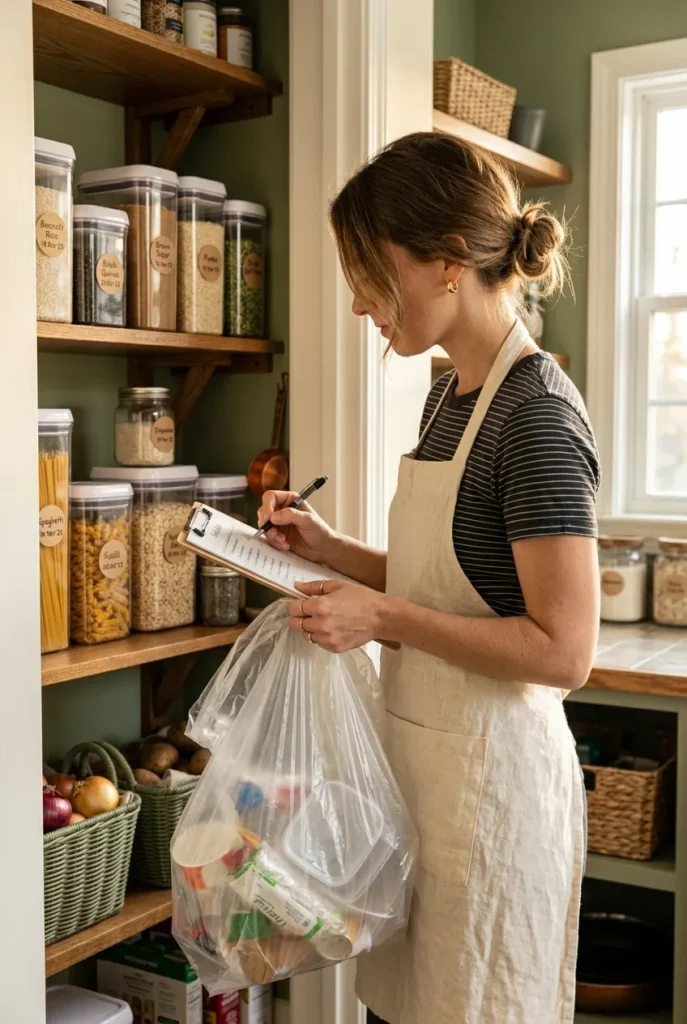
Once you finish, snap a photo of the empty shelf, write three things on your shopping list, and reward yourself with the satisfaction of knowing your spice cabinet will actually season your next dinner. If the audit went well and you’re ready for the full overhaul, save the shelf-life cheat sheet to your phone and come back next weekend for the bin-and-zone setup. Which item are you betting you’ll find first, the rancid walnuts or the brick of brown sugar?